Socialism
Poor ThingsSocialism in Poor Things is presented both as a program for material reform and as a way of refusing to accept suffering as natural or deserved. Harry Astley describes a parliamentary route to improving workers’ lives, but also doubts that existing institutions would permit it; Bella Baxter’s experience of poverty, paid work, and political conversation leads her toward socialism without making her simply adopt Astley’s cynicism. The concept develops through argument and encounter: its test is whether it can address the lives and labor that respectable society prefers not to see.
A program for material reform
Astley defines the socialists by their proposed means as well as their ends. They seek election by the poor, then intend to tax the rich person’s surplus and use legislation to secure productive work in decent conditions, good food, housing, education, and health care for everyone. Bella responds warmly to this program. Its appeal lies in the concrete necessities it names: socialism is not merely compassion for the poor, but an attempt to change the arrangements that keep them poor.
Astley immediately qualifies the promise. Parliament, he argues, is an alliance of monarchs, aristocrats, bishops, lawyers, merchants, bankers, industrialists, military men, landlords, and civil servants whose common purpose is to protect their wealth. Socialist representatives, he predicts, would be outmaneuvered, bribed, or reduced to ineffectual figures. His account makes the political route paradoxical: the socialists seek power through institutions that, in his analysis, are organized to resist their aims. The passage distinguishes the appeal of reform from the question of whether existing authority can be made to deliver it.
The account sets socialism beside other proposals for changing society. Astley describes communists as organizing across classes, waiting for a severe financial crisis, taking power temporarily, and then disbanding once everyone has what they need. The contrast helps establish socialism as the specifically electoral and legislative program in this discussion, rather than a synonym for every movement that wants to remake the world.
Bella’s encounters with socialist thought
Bella’s introduction to the word comes aboard ship after she has been reading Punch, whose caricatures make socialists look ugly, dirty, and perpetually discontented. When she asks Duncan Wedderburn what socialists are, he dismisses them as fools who think the world should be improved. His answer gives her a label but no explanation; the ensuing conversations with Astley supply the arguments that Wedderburn withholds.
Astley’s political lessons range well beyond the definition of socialism. He contrasts the survival strategies of very poor children, who learn to beg, lie, and steal, with the moral instruction given to prosperous children, whose schooling prepares them to admire conquerors while concealing their own thoughts and feelings. He connects education to a social order in which the wealthy can use parliament to deprive the poor of homes and livelihoods, while owners of property work least and enjoy hunting, horse-racing, and war. His account of the economic consequences of the Napoleonic Wars likewise links industrial growth to heavier taxes on the poor, women’s and children’s factory labor, machinery, and imperial expansion. These arguments make class relations visible as arrangements sustained by law, education, and economic policy—not simply as differences in individual character.
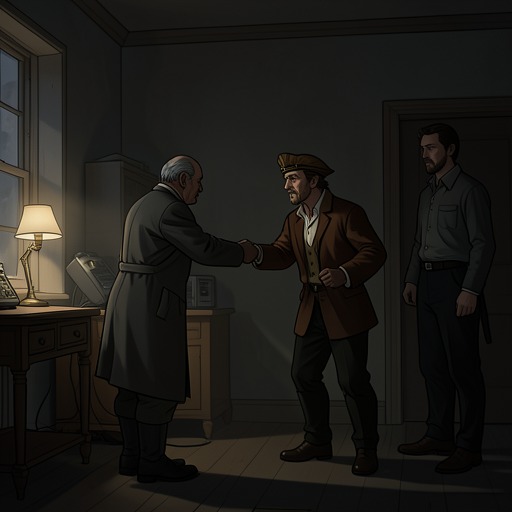
Bella does not settle into Astley’s division between innocent people, half-baked optimists, and cynics who recognize life as painful. She tells him that she is no longer innocent but rejects both his position and Dr. Hooker’s. When she takes Astley’s hand, she senses the vulnerable person beneath his performance of toughness and cruelty. The moment turns political recognition into a question of feeling: Bella identifies with suffering that Astley has learned to describe but claims to accept. She concludes that she must be a socialist, not because she has accepted his bleakness, but because she cannot regard cruelty to the helpless as good, inevitable, or unimportant.
Work, gender, and the material conditions of life
Bella’s developing politics are shaped by work as well as argument. In Paris, after earning wages for three days, she reflects that she is no longer a parasite: she has done a job as well and as quickly as she can, for money rather than pleasure. The passage gives paid work a double significance. It brings her direct experience of earning a livelihood, while her remark also measures how economic dependence has shaped her previous understanding of herself.
Her conversations with Toinette, her closest friend there, give socialism a collective setting. They discuss how to improve the world, particularly for the miserable, in cafés where revolutionary hoteliers argue that the rich will give up their wealth only after a complete upheaval of the social structure. Millie Cronquebil keeps politics separate from the hotel business, but Bella’s friendships and work make that separation difficult to maintain: the political question of who benefits from wealth is discussed within the same commercial environment in which women sell their labor.
Astley’s criticism also connects class politics to women’s lives. He describes wealthy wives as ornaments and objects of private pleasure, separated from the care of their children after childbirth, and compares their constrained lives with the suffocating labor of women in weaving sheds. His account of education and employment similarly shows how moral rules can conceal unequal conditions. The book does not make these concerns identical: Bella’s later objection to unfair medical inspection at the Paris establishment focuses on women’s exposure to disease and on the clients’ responsibility. Her insistence that clients, rather than workers alone, should be examined gives institutional fairness a practical, bodily dimension.
Political allegiance and its limits
Bella’s identification with socialism is a commitment to changing the conditions that produce misery, not an uncritical acceptance of every argument made in its name. Astley offers her a marriage proposal that would leave her his legal slave while promising a different private reality; she refuses because she does not love him. Her refusal matters alongside the political discussions: a proposed improvement in a woman’s personal circumstances cannot, by itself, undo the legal subordination built into marriage.
The narrative also shows socialist priorities coming into conflict with other reforming aims. Clydeside Independent Labour Party socialists criticize A Loving Economy because its proposal for working-class parents to limit births appears, amid lockouts and reduced wages, to distract from the immediate crises of hunger, homelessness, and unemployment. This response does not erase the book’s attention to birth control; it shows that people who oppose class injustice may still disagree about which needs demand priority, and whether future generations or current deprivation should be the focus.
By setting electoral reform beside Astley’s distrust of parliament, and socialist debate beside disputes over women’s work, health, and reproduction, Poor Things gives the concept both force and friction. Socialism names a hope for better material conditions, but its meaning is tested in the particular lives it claims to improve—and in the disagreements over how, and for whom, improvement should begin.